Utilizamos cookies opcionales de analítica para entender las visitas y mejorar nuestro sitio. Puede aceptarlas o rechazarlas.
Acetyl Zingerone
Global project cooperation opportunities
Product Overview
Acetyl Zingerone
A Next-Generation Antioxidant & Skin Repair Active
Acetyl Zingerone
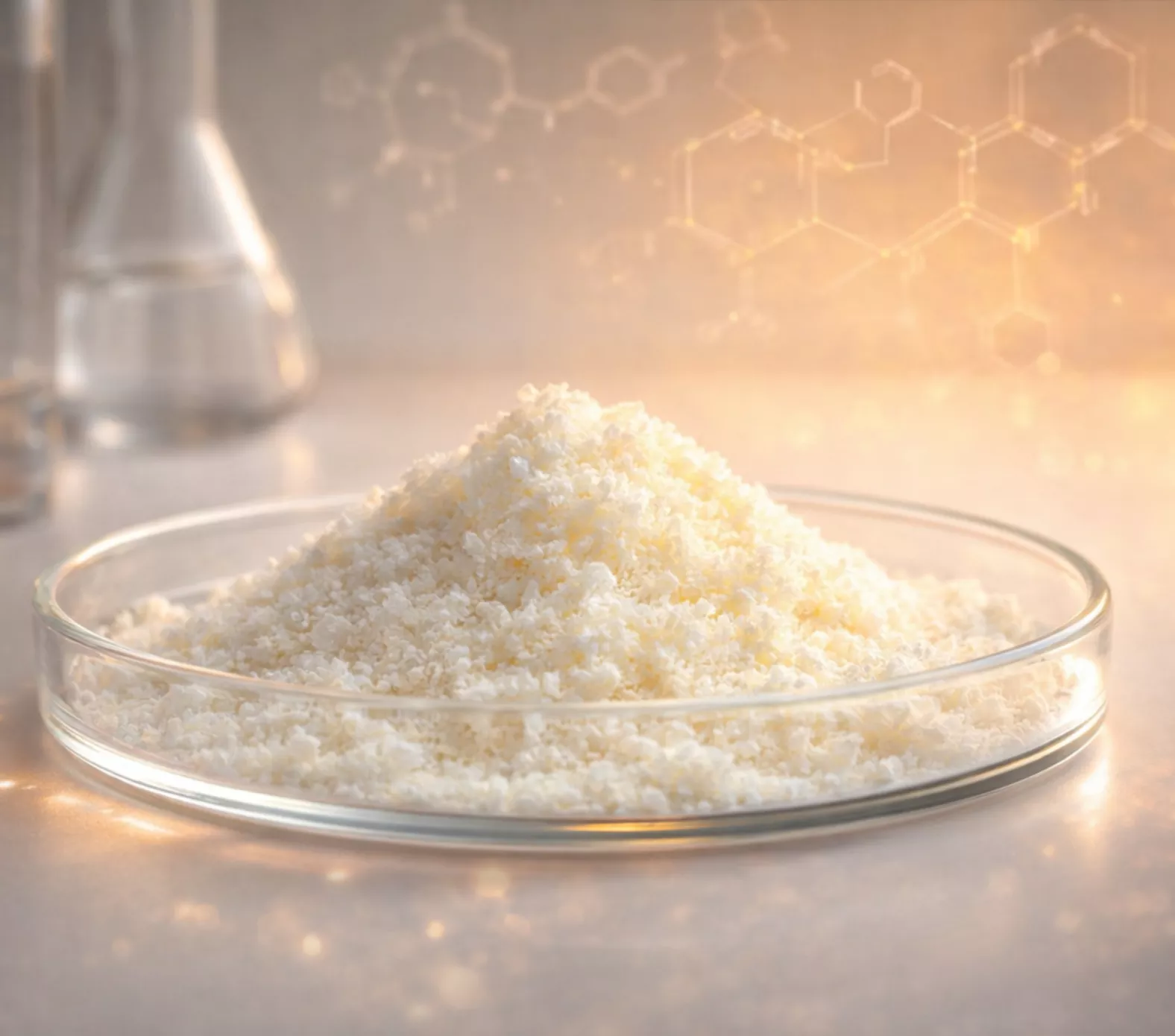
Acetyl Zingerone is a next-generation multifunctional antioxidant inspired by the bioactive compounds found in ginger. It combines the protective benefits of curcumin and zingerone into a single, stable molecule optimized for cosmetic applications.
This ingredient offers broad-spectrum protection against environmental stressors including UV radiation, blue light, pollution, and infrared radiation — making it ideal for modern anti-aging and protective skincare formulations.
CAS Number:
30881-23-3
EINECS No:
3820-605-0
Appearance:
Light yellow to yellow powder
Origin:
Bio-inspired synthetic antioxidant
Solubility:
Oil-soluble
Odor:
Mild, characteristic

Mechanism of Action
Acetyl Zingerone provides antioxidant and skin-protective effects through three synergistic pathways:
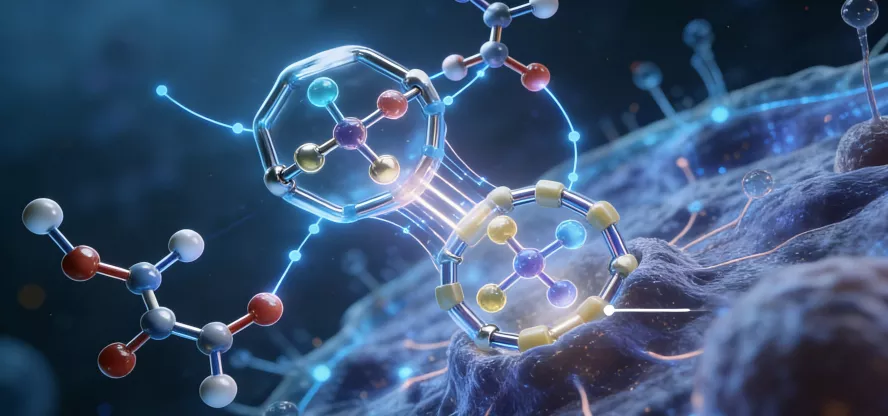
Direct free radical scavenging
Neutralizes reactive oxygen species (ROS) generated by UV exposure, pollution, and normal metabolic processes before they can damage cellular DNA and proteins.
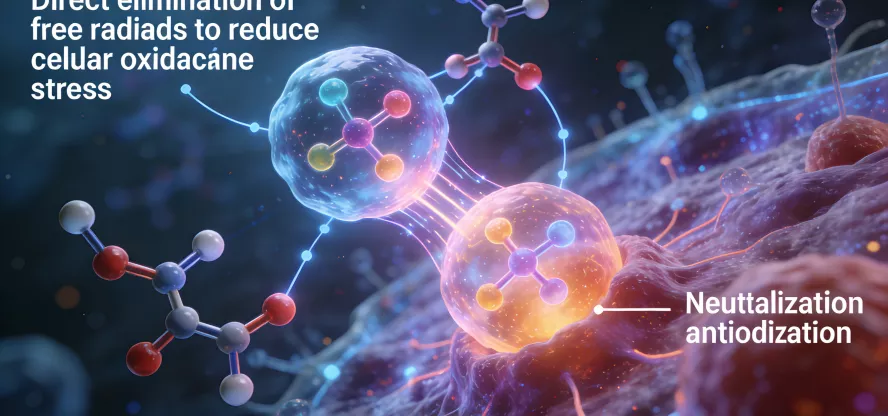
Metal ion chelation
Binds transition metal ions that catalyze Fenton reactions, preventing the formation of highly reactive hydroxyl radicals that cause lipid peroxidation.
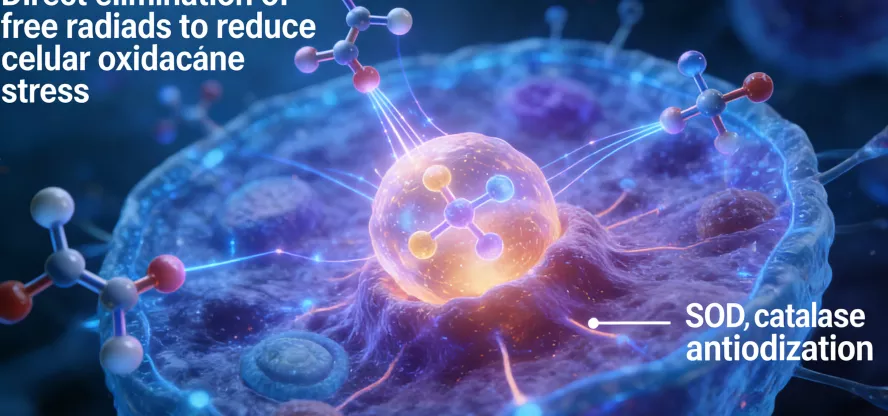
Activator of endogenous antioxidant systems
Upregulates the Nrf2 pathway, stimulating the production of endogenous antioxidant enzymes including superoxide dismutase and glutathione peroxidase.
This
multi-layered mechanism ensures sustained protection under daily environmental stressors such as UV
exposure and pollution.
Acetyl Zingerone Key Benefits
Ingredient Properties Cosmetic Skincare Nutritional Benefits
Superior long-term antioxidant protection
Acetyl Zingerone exhibits exceptional stability compared to conventional antioxidants like resveratrol or ferulic acid, maintaining activity long after other antioxidants degrade.
Scientifically validated anti-aging performance
Multiple mechanistic studies support its ability to reduce ROS, inhibit oxidative stress pathways, minimize inflammation, and protect skin components such as collagen, elastin, and lipids.
Broad-spectrum environmental defense
Provides proven protection against:
•UV-induced free radicals
•Blue light damage/Infrared stress
•Pollution particles
•Glycation & oxidative degradation
High formulation compatibility
Unlike unstable antioxidants, Acetyl Zingerone integrates seamlessly with retinoids, niacinamide, vitamin C derivatives, peptides, and ceramides.
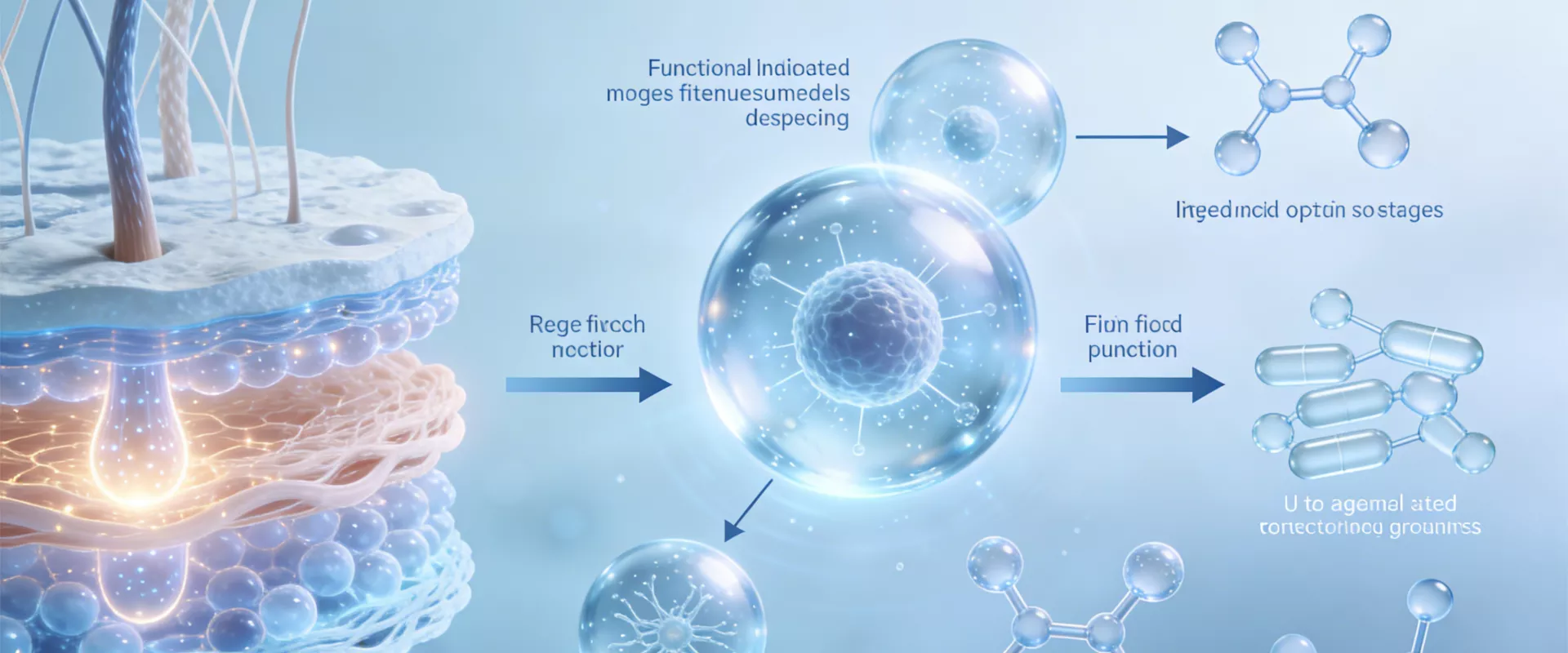
Skincare Efficacy Highlights
Clinical and in-vitro studies demonstrate significant improvements in key skin parameters when Acetyl Zingerone is incorporated into daily skincare routines at recommended concentrations.
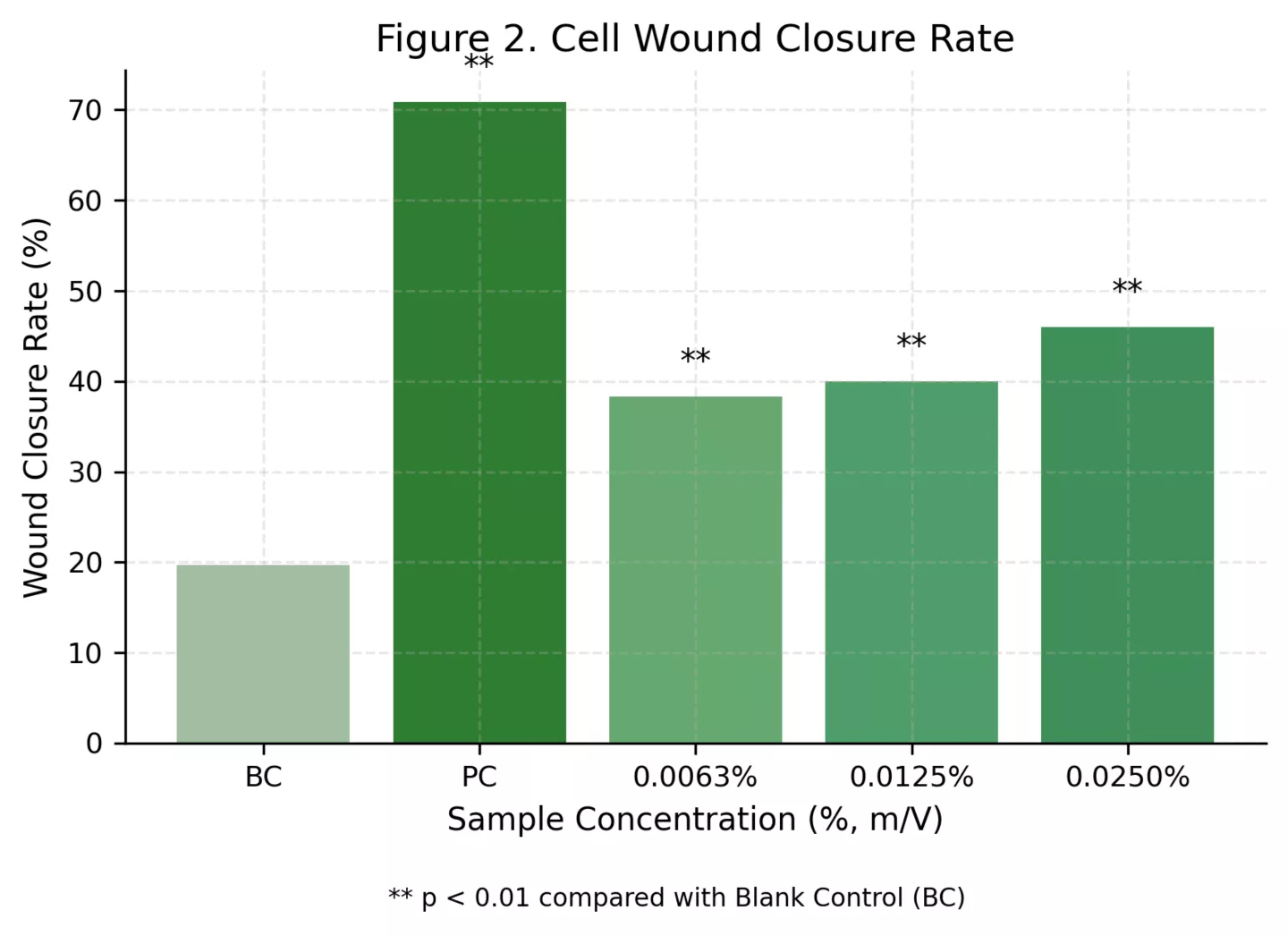
Figure 1 — Clinical Study Results (8 weeks, 0.2%)
| Group | Wound Closure (%) | SD | p-value |
|---|---|---|---|
| Blank Control (BC) | 19.73 | 2.28 | - |
| Positive Control (PC) | 70.84 | 1.86 | <0.01** |
| Acetyl Zingerone 0.0063% | 38.35 | 1.6 | <0.01** |
| Acetyl Zingerone 0.0125% | 40.0 | 0.6 | <0.01** |
| Acetyl Zingerone 0.0250% | 46.02 | 1.08 | <0.01** |
Note: Statistical analysis was performed using a two-tailed t-test.
PC group was compared with BC group** indicates p < 0.01; * indicates p < 0.05.
Figure 2 — Antioxidant Capacity Comparison (ORAC μmol TE/g)
Formulation & Applications
Compared with traditional curcumin or zingerone derivatives, Acetyl Zingerone offers:
- Improved photostability and thermal stability
- No intense yellow staining
- No strong spicy or irritating odor
- Higher formulation flexibility across emulsions and serums
This makes it particularly suitable for premium, consumer-facing skincare products.
Typical Applications
- Repair serums and creams
- Anti-pollution skincare
- Daily antioxidant defense products
- Post-procedure or recovery formulations
(Not recommended for lip products or formulations with inhalation exposure risk)
Recommended Use Level
- Up to 3.3% in cosmetic products for adult use
- Applicable to leave-on and rinse-off formulations under normal and foreseeable conditions
Technical Data
Physical & Chemical
Properties
AppearanceWhite to light yellow powder
OdorSlight characteristic odor, no peculiar smell
PH (0.01% aqueous solution)6.0 – 8.0
Melting Point86 ± 2 °C
SolubilityWater: Slightly soluble/Methanol: Soluble
Quality & Purity
Purity≥ 99.0% (HPLC)
Acetyl Zingerone Content≥ 99.0% (anhydrous basis)
Loss on Drying≤ 1.0%
Each batch complies with strict cosmetic safety and quality standards,
supported by a complete Certificate of Analysis.